Life in Inani: The Untold Story of Coastal Villages in Cox’s Bazar
 By Fahim
•
August 28, 2025
History
By Fahim
•
August 28, 2025
History 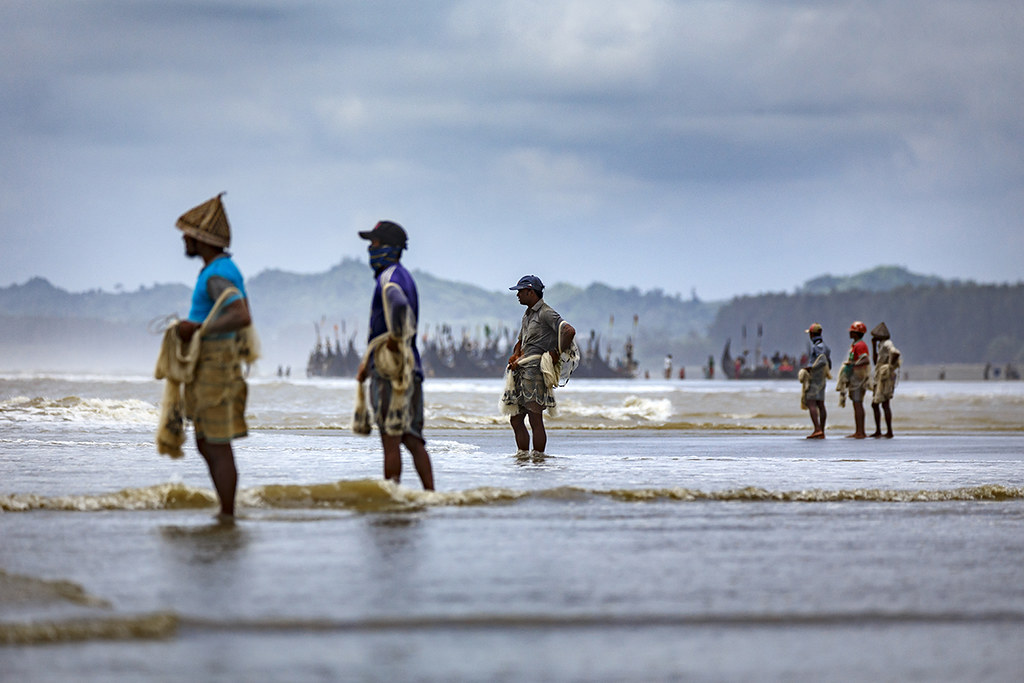
When we think of Cox’s Bazar, the first image that comes to mind is the world’s longest sea beach, waves crashing against the shore, and the endless blue of the Bay of Bengal. But just beyond the sandy shores lies a different world two coastal villages named Choto Inani (Small Inani) and Boro Inani (Big Inani). Nestled beside the famous Inani Beach, these villages remain less explored, yet they hold the essence of rural life, nature’s bounty, and the resilience of coastal people.
Location and Natural Setting
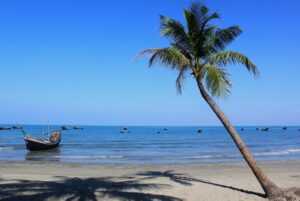
Choto Inani and Boro Inani are located about 32 kilometers south of Cox’s Bazar town, under Jaliapalong Union in Ukhiya Upazila. The Bay of Bengal stretches to the west, while to the east lie lush green fields, palm groves, and clusters of traditional village homes. Tides flow in through canals, fishermen prepare their nets, and the land wears a new look with every sunrise and sunset.
Village Homes and Lifestyle
Being part of a coastal zone, the houses in Inani are uniquely designed to withstand storms and cyclones. Most homes are built with low-sloped thatched or tin roofs to resist heavy winds. Life here may be simple, but it is marked by courage and resilience. People live in close harmony with nature embracing its blessings and bravely enduring its fury.
Agriculture: Betel Nut (Supari) and Betel Leaf Cultivation
The rural economy of Inani thrives on agriculture:
-
Betel Nut (Supari): Rows of tall, slender betel nut trees are a common sight. Inani’s betel nuts are known across Bangladesh for their quality juicy, flavorful, and long-lasting. They not only meet local demand but are also supplied nationwide and even exported in small quantities.
-
Betel Leaf Cultivation: Traditional bamboo-made “paan boroj” (betel leaf gardens) are another hallmark of Inani. Shaded, moist, and carefully maintained, these boroj provide high-quality betel leaves. They are essential in local hospitality, as paan-supari (betel leaf with areca nut) is a cultural delicacy offered to guests.
Additionally, paddy, vegetables, and fruits are grown in abundance, making agriculture a steady source of livelihood.
Fishing Life: Bond with the Sea
Between Choto Inani and Boro Inani flows a connecting canal a safe harbor for hundreds of fishing trawlers. Local fishermen set sail according to the rhythm of the tides, returning with their daily catch. For most villagers, whether they are farmers or fishermen, life is inseparably tied to the sea, nets, and waves.
Nature’s Gift: Coconut Trees and the Rocky Beach
Alongside betel nut, Inani is also rich in coconut trees. The sweet coconut water from Inani is refreshing and famous among locals. Shady village roads lined with trees create a serene, welcoming environment.
And of course, there is Inani’s Rocky Beach, where countless stones line the shore, giving the beach a unique identity. This natural defense against waves also adds to the region’s raw beauty.
Tourism Potential
Most tourists come to see Inani Beach, but the villages of Choto Inani and Boro Inani remain undiscovered gems. The blend of agriculture, fishing culture, village traditions, and scenic beauty makes these villages perfect for community-based and eco-tourism. Exploring beyond the beach can give travelers a true taste of coastal Bangladeshi life.
Choto Inani and Boro Inani are not just villages; they are stories of survival, harmony, and culture. Here, life moves to the rhythm of the sea sometimes calm, sometimes stormy but always beautiful. For anyone visiting Cox’s Bazar, a glimpse into these villages offers a richer, deeper experience of Bangladesh’s coastal heritage.